Calming Your Dog for Car Rides: Safe Options
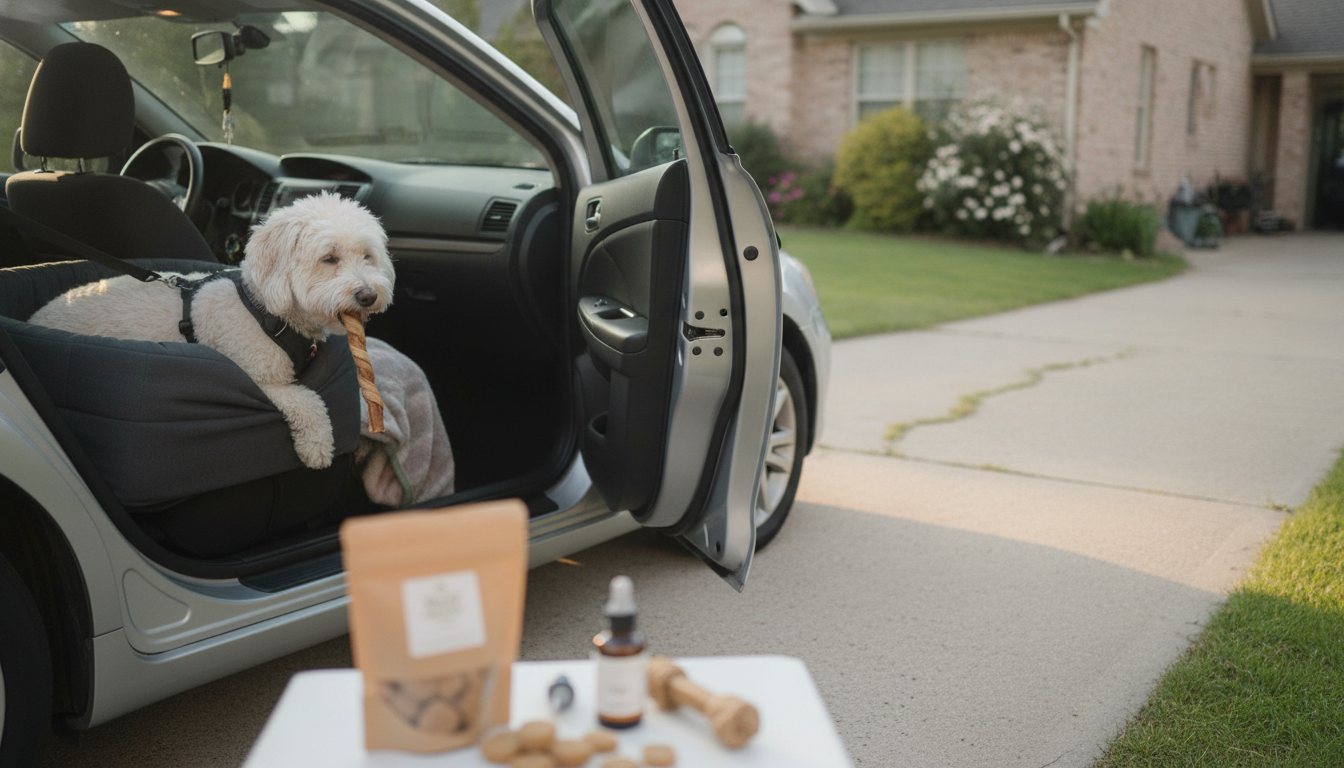
What can I give my dog to calm her down for a car ride?
If your dog gets anxious in the car, the safest approach is to start with gentle, low-risk calming options and only “give” stronger aids with your veterinarian’s guidance. Many dogs do well with non-drowsy calming chews (often formulated with ingredients like L-theanine, chamomile, or colostrum) given 30–60 minutes before the trip. Calming treats can take the edge off without making your dog groggy, but the exact effect varies by dog and product—always follow the label and avoid stacking multiple calming supplements at once.
Another option to ask your vet about is dog-specific melatonin, which can help some dogs settle for travel. Because dosing depends on your dog’s size, health history, and any medications, it’s best treated as a vet-approved tool rather than a DIY fix—especially if your dog has diabetes, liver issues, or is on sedatives.
If anxiety is intense (panting, drooling, frantic pacing, vomiting, or trying to escape), prescription medications may be the most humane choice. Veterinarians commonly use medications such as trazodone or gabapentin for situational stress, and for true motion sickness they may recommend an anti-nausea option like maropitant. Avoid giving human medications (like Benadryl) unless your vet specifically tells you to—wrong dosing or contraindications can be risky.
Also consider “non-pill” calming helpers that make a big difference: a properly fitted crash-tested harness or secured crate for stability, a light meal a few hours before travel, frequent breaks on longer trips, and gradual conditioning with short practice rides. For a step-by-step plan to reduce stress and prevent car-related chaos, see this guide to calmer dog car rides.
FAQ
How do I stop my dog from getting car sick?
Feed a small, light meal 3–4 hours before travel, keep the car cool with fresh air, and limit tight turns or sudden stops. If nausea persists, ask your vet about motion-sickness medication made for dogs and whether anxiety is contributing to the symptoms.












Leave a comment