Trazodone for Long Car Rides With Dogs: Vet Tips
Should I give my dog trazodone for a long car ride?
Trazodone can be appropriate for some dogs who experience significant anxiety during travel, but it should only be used under a veterinarian’s direction. The right decision depends on your dog’s health history, current medications, past reactions to sedatives, and how severe the car stress is. For a long drive, safety matters as much as calmness—too much sedation can affect balance, temperature regulation, and coordination during stops.
Answer
If your veterinarian has already prescribed trazodone for your dog, ask whether it’s suitable for a long car ride and what dose and timing they recommend for that specific trip. Many vets suggest a “trial run” on a normal day (not on travel day) so you can see how your dog responds before you’re hours from home. Dogs can react differently: some become pleasantly relaxed, while others may be wobbly, nauseated, or unusually restless.
Avoid giving trazodone for the first time right before departure, and never use leftover pills from another pet or a human prescription. Also check with your vet before combining it with other calming products, pain meds, or anti-nausea medications.
What to watch for on the road
Call a vet promptly if you notice severe lethargy, vomiting that won’t stop, collapse, trouble breathing, extreme agitation, or pale gums. Even mild drowsiness can make loading/unloading risky, so use a secure harness or crate and plan gentle, shaded breaks with water.
Non-medication steps that can help
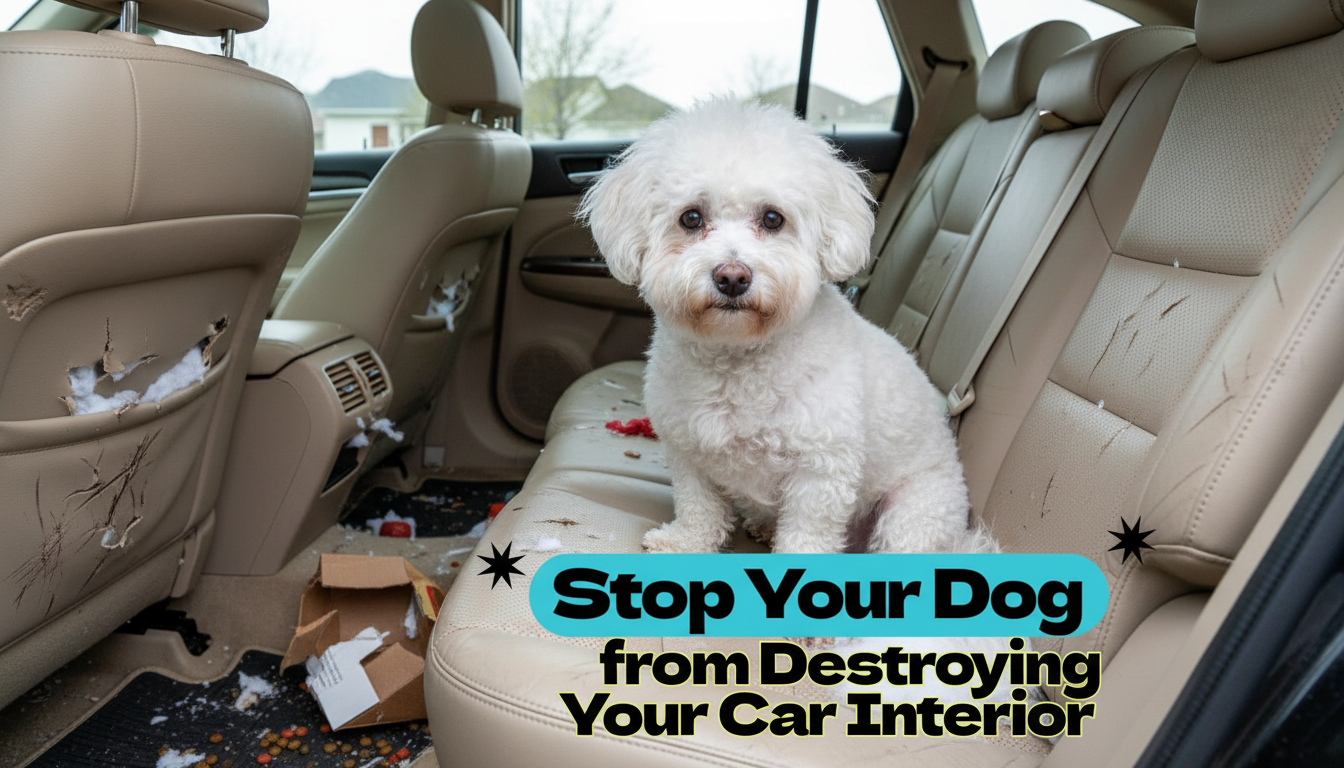
Medication works best when paired with a calmer setup: frequent breaks, good ventilation, a secured restraint, and a predictable routine before travel. If your dog is damaging the car or panicking, practical prevention and calming techniques can make a big difference. For a step-by-step approach, see this guide to stopping dog car damage and building calmer rides.
FAQ
How can I help my dog with car anxiety without medication?
Use gradual desensitization (short, positive trips), secure your dog in a harness or crate, keep the car cool and quiet, and offer high-value rewards only when your dog is calm. Some dogs also do well with vet-approved calming pheromones or behavioral training plans.











Leave a comment