Stop Dog Panting & Anxiety on Car Trips: Calm Ride Tips
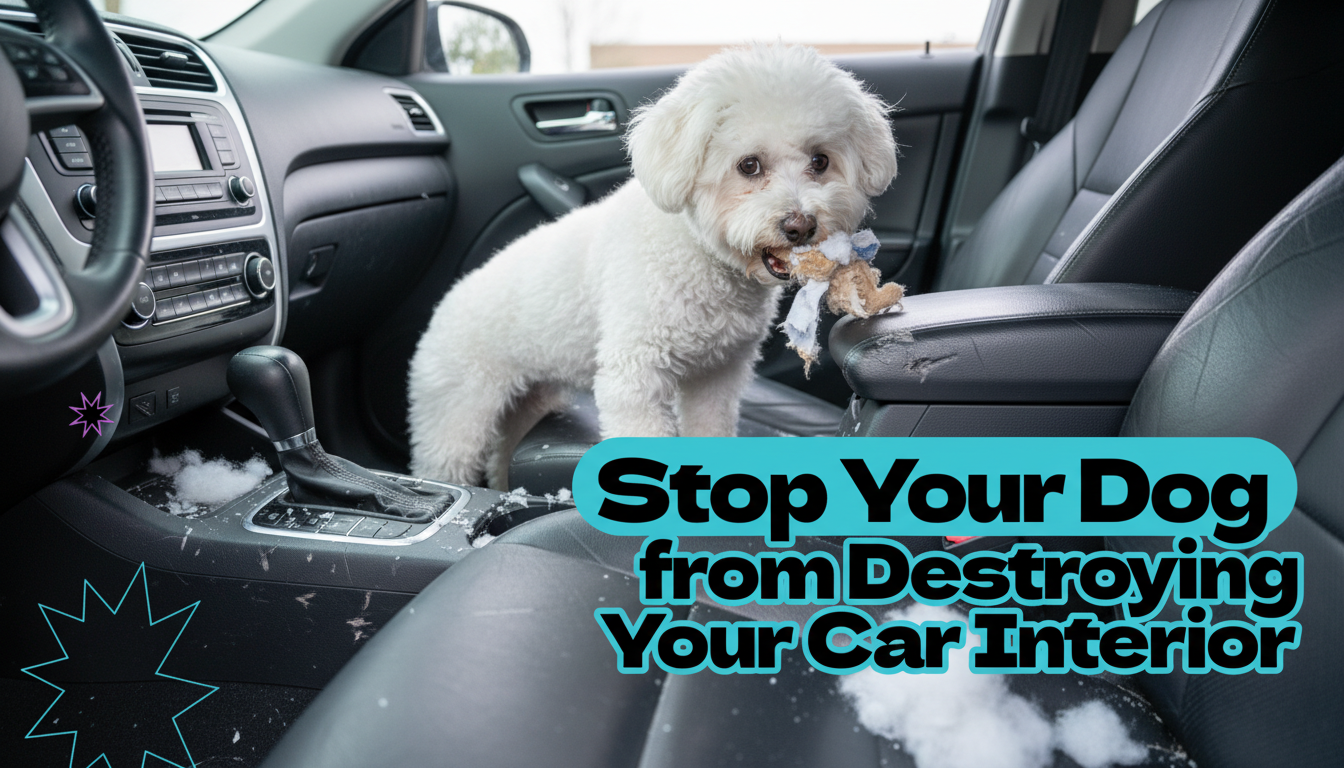
How do I stop my dog panting anxiety when car trips?
Panting during car trips is often a stress signal (not just “being hot”), especially when it starts before you even pull out of the driveway or comes with pacing, whining, drooling, or trembling. The goal is to lower arousal, build positive associations, and prevent nausea or overwhelm that can make anxiety worse over time.
Answer
Start by ruling out comfort issues. Keep the car cool, crack a window for fresh air, and avoid heavy meals right before travel. If panting comes with vomiting, excessive drool, or repeated lip-licking, motion sickness may be involved—ask your vet about safe options because untreated nausea can quickly turn into “car anxiety.”
Make the ride feel predictable and secure. Use a crash-tested harness or secured crate so your dog isn’t sliding around, which can spike stress. Add a familiar item that smells like home (a towel or your worn T-shirt) and keep the environment quiet—soft, steady music can help some dogs.
Do short, no-pressure practice sessions. Spend a few days simply walking to the car, giving a high-value treat, and walking away. Next, sit in the parked car for 30–60 seconds, treat, and end the session before your dog ramps up. Then progress to starting the engine, then rolling a few houses down the street, gradually extending time. The key is to stop while your dog is still calm so the car predicts good things, not panic.
Use calming tools thoughtfully. Some dogs do well with a properly fitted calming wrap, pheromone spray, or vet-approved calming supplements. If panting escalates into full panic, your veterinarian can discuss situational anti-anxiety medication to pair with training—often a game-changer for progress.
Reward calm behavior during travel. Offer small treats for quiet sitting, relaxed body language, and looking forward calmly. Skip excited greetings or rough play before loading up; aim for a low-key routine.
For a step-by-step plan and practical setup tips, see the full guide here: https://topdealavenue.shop/guide-stop-dog-car-damage-calm-rides-7-14-days/.
FAQ
Why does my dog drool in the car but seems fine at home?
Car drooling commonly comes from stress or motion sickness. If it starts soon after the car moves or is paired with swallowing and nausea signs, talk with your vet; if it starts before you leave, focus on gradual desensitization and calmer loading routines.









Leave a comment