Get Fit at Home Without Equipment: Simple 4-Week Path
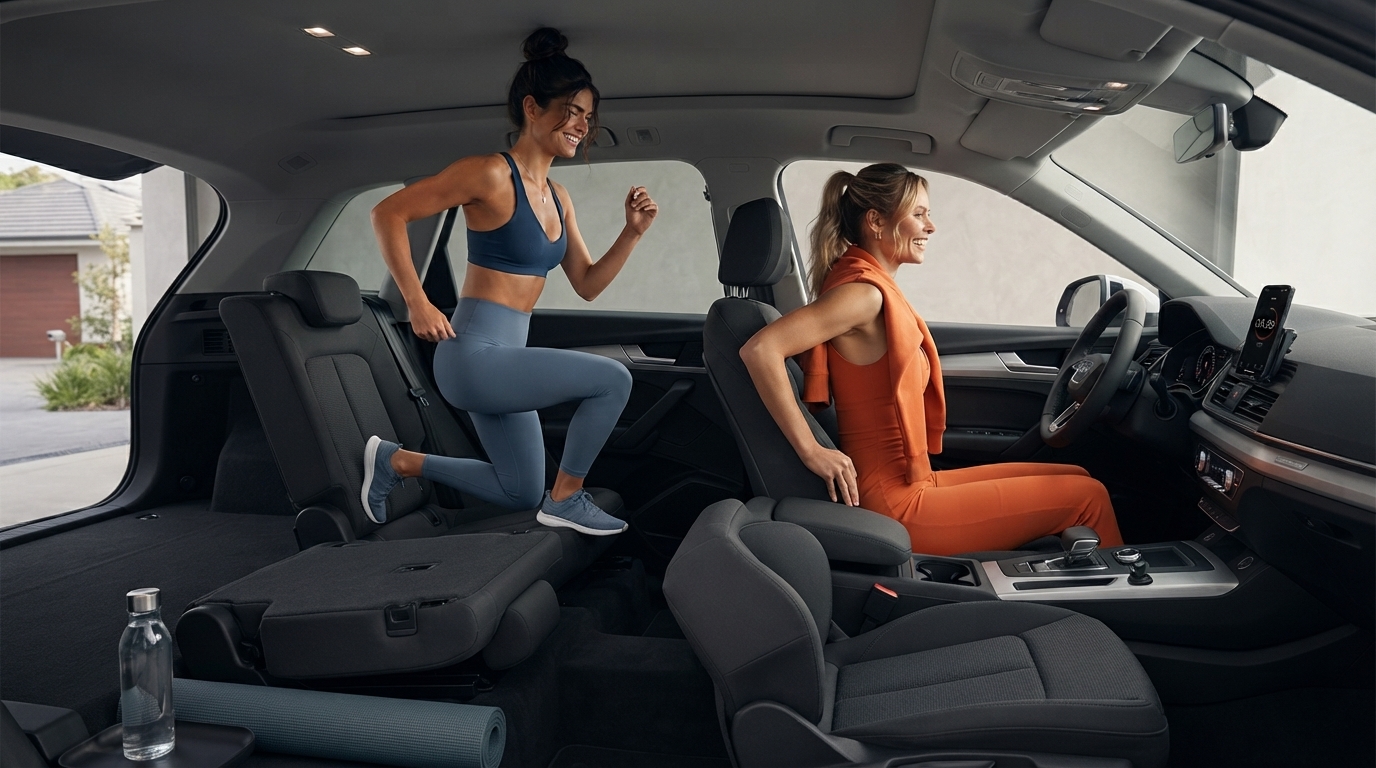
Can I get fit at home without equipment?
Yes—getting fit at home without equipment is absolutely doable. Your body weight can provide more than enough resistance to build strength, improve cardio endurance, and boost mobility. The key is picking a simple routine you can repeat, progressing it over time, and staying consistent.
What counts as “getting fit” at home?
At-home fitness can mean different goals: feeling stronger, improving stamina, losing body fat, moving with less stiffness, or building better posture. A well-rounded no-equipment plan usually includes three pieces: strength (push, pull, legs, core), cardio (to elevate your heart rate), and flexibility/mobility (to keep joints moving well).
Best no-equipment exercises to start with
Focus on foundational moves that hit multiple muscle groups. Great options include squats or chair squats, reverse lunges, glute bridges, wall sits, push-ups (wall, knee, or standard), plank variations, dead bugs, and mountain climbers. For cardio, use brisk marching in place, high knees, fast step-ups on a sturdy stair, or short bursts of jumping jacks if your joints tolerate them.
How to make progress without weights
Progress comes from increasing the challenge, not necessarily adding equipment. Try adding reps, slowing the lowering phase (3–5 seconds down), shortening rest times, extending plank holds, or switching to harder variations (e.g., knee push-ups to full push-ups). Tracking a few numbers—reps, sets, and time—helps you see improvement week to week.
A simple weekly structure that works
A practical approach is 3 days of strength circuits, 2 days of cardio intervals, and 1–2 shorter mobility sessions. If you want a guided schedule that keeps each day clear and manageable, follow the 4-week plan here: 4-Week Home Workout Plan (Minimal Equipment + Daily Stretch). You can do many sessions with zero gear and still scale up as you get stronger.
FAQ
How long does it take to see results from home workouts?
Many people notice better energy and less stiffness within 1–2 weeks, while visible changes in strength and body composition often take 4–8 weeks with consistent training and supportive nutrition.











Leave a comment