Stop Anxiety Panting in Dogs: 5 Fast Calming Steps
How do I get my dog to stop panting from anxiety?
Start by ruling out non-anxiety causes. Panting can be normal after exercise or in warm rooms, but sudden, persistent panting paired with pacing, trembling, drooling, tucked tail, or hiding often points to stress. If panting happens at rest, seems painful, or comes with pale gums, vomiting, or collapse, contact a veterinarian right away.
When it is anxiety, the fastest improvement usually comes from combining a calmer environment with training and a predictable routine.
Step 1: Reduce triggers and create a “safe setup”
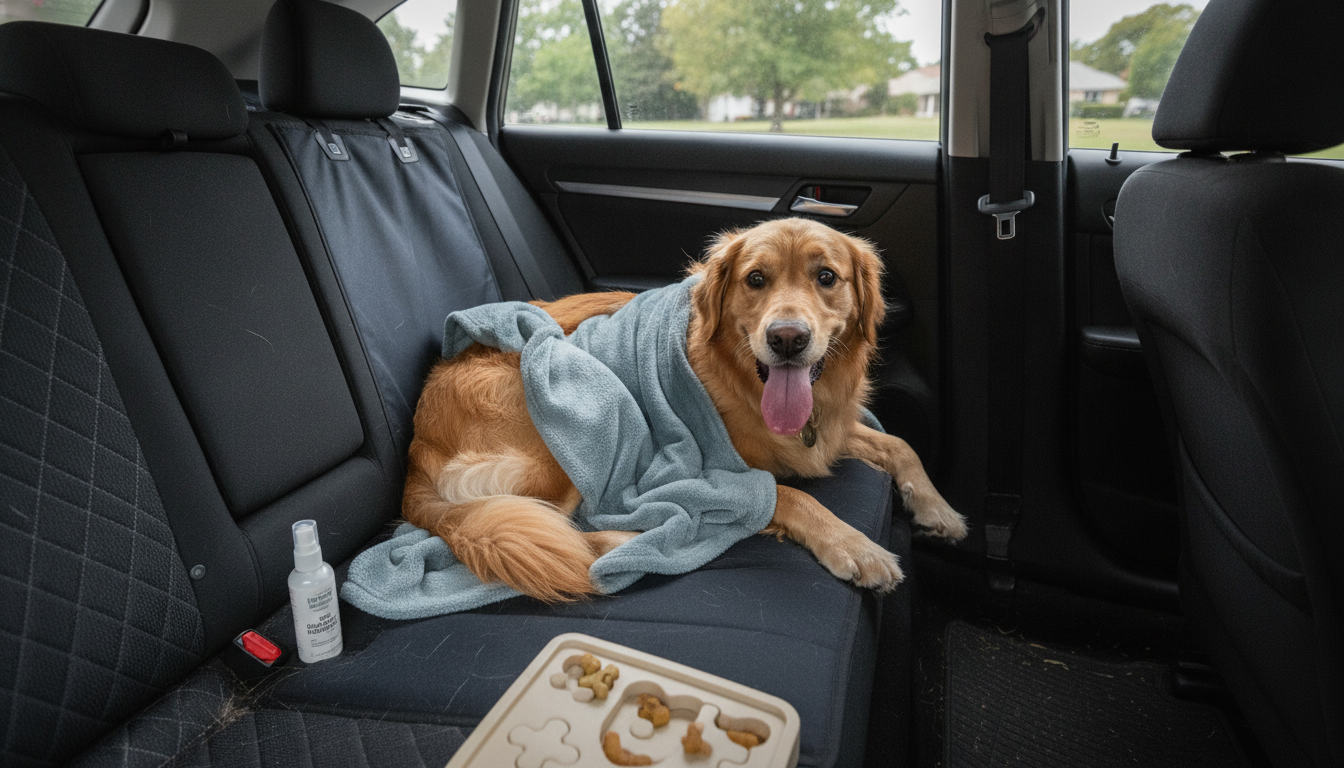
Lower noise, close blinds if outside activity is stressful, and give your dog a quiet space they can choose (not forced). Add a familiar item that smells like home and keep lighting soft. If car rides set it off, steady the environment by keeping the same seating spot, using a secure restraint, and limiting sudden movement.
Step 2: Teach a calm alternative behavior
Practice when your dog is already relaxed: reward slow breathing, lying down, and settling on a mat. Keep sessions short and frequent. Then gradually introduce mild versions of the trigger (like picking up keys or walking toward the car) and reward calm behavior before panting starts. This “start easy, build slowly” approach prevents rehearsing panic.
Step 3: Add soothing tools that don’t escalate arousal
Try a long-lasting lick (like a frozen lick mat) or a chew that’s safe for your dog, since licking and chewing can help downshift stress. Background sound (fan or soft music) can mask startling noises. Some dogs also benefit from a properly fitted calming wrap.
Step 4: Build positive car associations (if travel is the trigger)
For anxious panting tied to rides, do short, non-eventful sessions: sit in the parked car, reward calm, then end. Progress to backing out of the driveway, then a one-minute loop. For a step-by-step plan focused on calmer rides and preventing damage from stress behaviors, see this guide to calmer car rides in 7–14 days.
Step 5: Know when to get professional help
If your dog’s panting spirals into panic or happens daily, ask a vet about pain, medical contributors, and whether anti-anxiety medication or a referral to a certified behavior professional could help your training succeed.
FAQ
What are signs my dog’s panting is a medical emergency?
Seek urgent care if panting is severe at rest or comes with weakness, collapse, blue/pale gums, significant lethargy, repeated vomiting, or suspected heatstroke. Sudden panting with a swollen abdomen or unproductive retching is also an emergency.










Leave a comment